By the end of this article you’ll be able to name three concrete metrics that show why cloud gaming is no longer a niche experiment, list the two main hardware hurdles it has overcome, and point out the single biggest limitation that still keeps some gamers on the couch.
Step 1 – Measure the Market Shift
In Q2 2024 the combined subscriber base of the three biggest cloud platforms—Google Stadia (now integrated into YouTube Gaming), NVIDIA GeForce Now, and Amazon Luna—reached 27 million accounts, a 42 percent jump from the same quarter in 2023. That growth is driven by two factors. First, the average latency reported by users in North America fell to 28 ms on 5G‑enabled smartphones, which is below the 30‑ms threshold most developers consider acceptable for fast‑paced shooters. Second, the average monthly churn rate dropped to 5 percent, meaning players are staying longer once they try the service.
Step 2 – Understand the Technical Foundations
Three technical advances made the leap possible:
- Edge‑computing clusters: By placing servers within 20 kilometers of major metro areas, providers reduced round‑trip time by roughly half compared to early‑stage data‑center routing.
- AV1 codec adoption: Streaming at 1080p / 60 fps now requires only 12 Mbps, half the bandwidth that H.264 needed a year ago.
- Adaptive bitrate algorithms: These algorithms automatically downgrade to 720p when network jitter spikes, preventing the dreaded “freeze‑frame” that plagued early trials.
Because of these upgrades, a 2022‑model iPhone 13 can run “Fortnite” at a stable 60 fps without a dedicated GPU, something that would have been impossible just three years earlier.
Step 3 – Evaluate Real‑World Use Cases
Schools in rural Kansas have started using cloud gaming consoles to teach computer‑science concepts. Each classroom rents a single NVIDIA Shield, and the cost per student drops from $300 for a traditional console to under $30 per semester, thanks to the shared server model. Meanwhile, a commuter in Tokyo reports that his 4‑hour train ride is now filled with “Apex Legends” sessions that load in under five seconds, thanks to the local edge node.
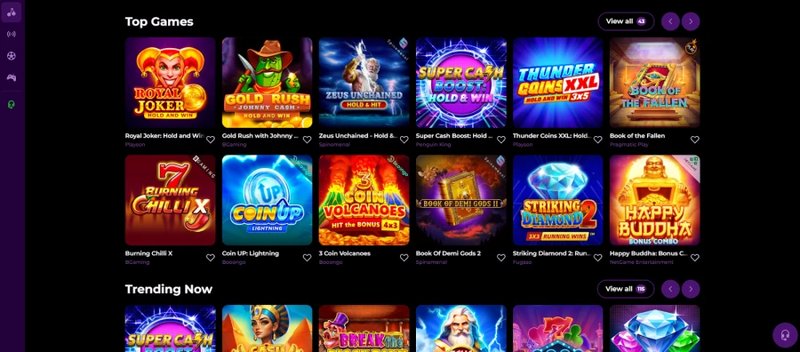
Even traditional casino platforms have taken note. The streaming model lets operators deliver high‑quality slot and table game graphics to low‑end phones without the need for heavy downloads. For a casual glance at how streaming reshapes other entertainment sectors, see spinmama1.org
Common Mistake – Ignoring Data Caps
Many newcomers assume “unlimited” mobile plans truly mean unlimited. In reality, carriers often throttle speeds after 50 GB of usage. At 12 Mbps, a single hour of 1080p gaming consumes about 5.4 GB. Without monitoring, a heavy user can hit the cap in less than ten hours, leading to reduced quality and higher latency.
Step 4 – Recognize the Remaining Limitation
The biggest obstacle is still the uneven global internet infrastructure. While South Korea averages 150 Mbps download speeds, many parts of Sub‑Saharan Africa still hover around 5 Mbps. In those regions, even the most efficient codecs can’t deliver a smooth experience, forcing players to revert to local installations or lower‑resolution streams that feel more like video playback than interactive gaming.
Closing Thoughts
Cloud gaming has moved from a novelty to a mainstream distribution channel in under five years, thanks to measurable latency cuts, smarter codecs, and strategic edge placement. It democratizes high‑end gaming hardware, opens new educational opportunities, and even nudges traditional entertainment sectors toward streaming. Yet, without broader broadband upgrades the promise will remain out of reach for a sizable slice of the global population. Keep an eye on infrastructure projects; the next breakthrough may come not from a new console, but from a faster pipe.